
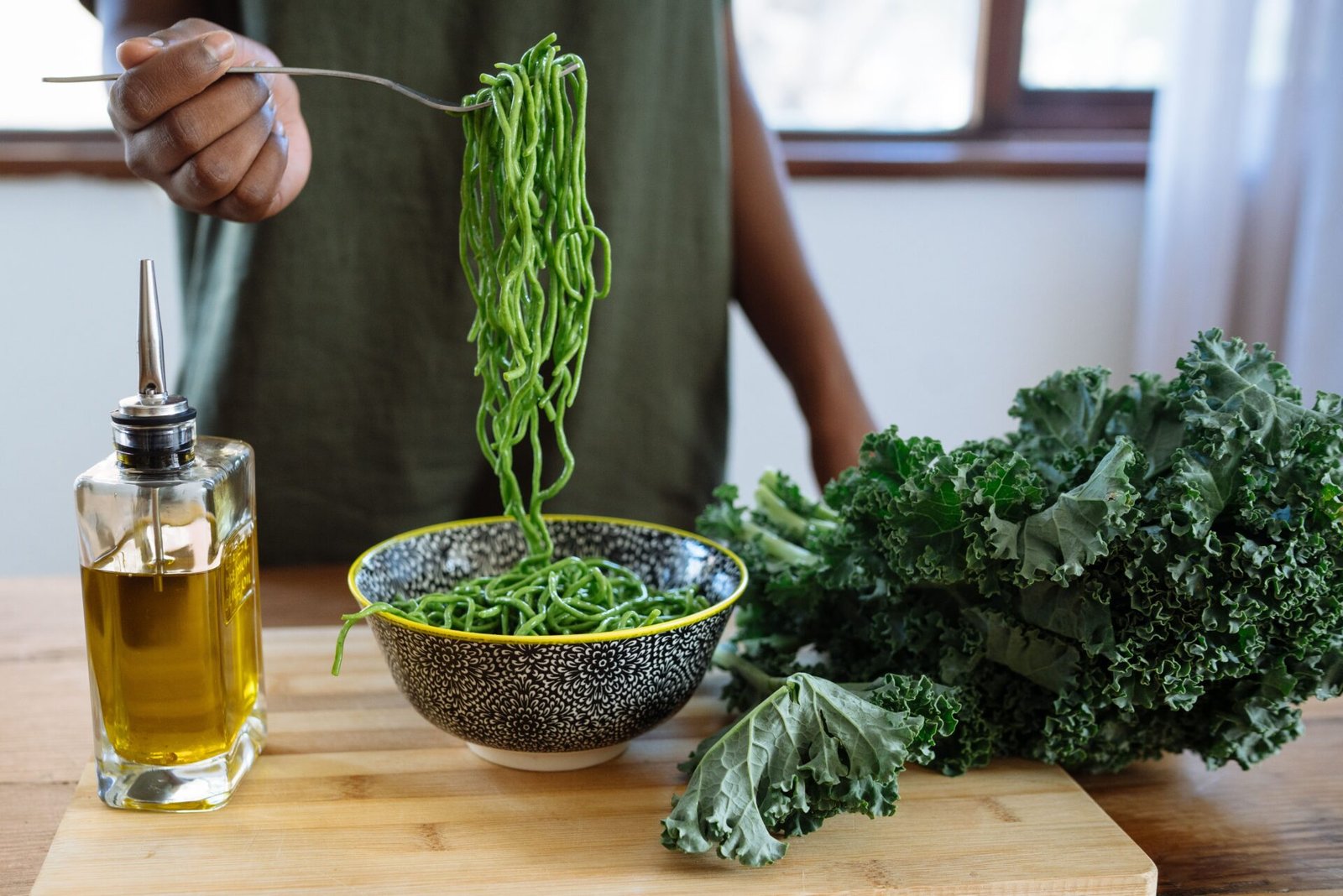
Basil Pesto Recipe, It’s fresh, fragrant, and incredibly versatile – a sauce that can transform simple pasta into a gourmet meal, elevate a sandwich, or brighten up roasted vegetables. And the best part? This easy basil pesto comes together in just 5 minutes.
I used to buy store-bought pesto, thinking it was too complicated to make at home. Then I discovered how simple it truly is – just a handful of fresh ingredients, a food processor, and a few minutes of your time. The difference between homemade and store-bought is night and day. Fresh basil, quality olive oil, nutty Parmesan, and pine nuts create a sauce that’s rich, vibrant, and absolutely irresistible.
This recipe is perfect for busy weeknights when you want something delicious without spending hours in the kitchen. It’s also incredibly versatile – toss it with pasta, spread it on a sandwich, swirl it into soups, or use it as a marinade for chicken or fish. Once you try homemade pesto, you’ll never go back to the jarred stuff.
Why This Recipe Works: Fresh, high-quality ingredients and a simple technique create a vibrant, flavorful pesto that’s ready in minutes. No cooking required – just blend and enjoy.
What Is Basil Pesto?
Basil pesto is a classic Italian sauce originating from Genoa, made by crushing fresh basil leaves with garlic, pine nuts, Parmesan cheese, and olive oil. The word “pesto” comes from the Italian word “pestare,” meaning to crush or pound – traditionally made with a mortar and pestle. This modern version uses a food processor for speed and convenience, delivering the same incredible flavor in a fraction of the time.
Why It’s a Kitchen Essential
Basil pesto is beloved for its incredible freshness, versatility, and simplicity. It’s a staple in Italian cuisine and a favorite in kitchens around the world. It takes just minutes to prepare, requires no cooking, and can be used in countless ways – from pasta and pizza to sandwiches, salads, and marinades.
Flavor & Texture Profile
- Flavor: Bright, aromatic, and herbaceous – fresh basil, nutty Parmesan, and garlic create a perfectly balanced, savory sauce.
- Texture: Smooth and creamy with a slight crunch from the pine nuts – a luscious, spreadable consistency.
- Aroma: Fresh and invigorating – the scent of basil, garlic, and Parmesan fills the air.
Why You’ll Love This Recipe
Ready in 5 Minutes
Quick and easy – perfect for busy weeknights.
Fresh & Vibrant
Made with fresh, high-quality ingredients – no preservatives.
Versatile
Perfect for pasta, sandwiches, salads, marinades, and more.
Better Than Store-Bought
Fresh, vibrant, and far more flavorful than anything from a jar.
- Ready in 5 Minutes: Quick and easy – perfect for busy weeknights.
- Fresh & Vibrant: Made with fresh, high-quality ingredients – no preservatives or artificial flavors.
- Versatile: Perfect for pasta, sandwiches, salads, marinades, soups, and more.
- Better Than Store-Bought: Fresh, vibrant, and far more flavorful than anything from a jar.
- Healthy: Made with heart-healthy olive oil, nuts, and fresh herbs.
- Customizable: Easily adapt with different nuts, herbs, or cheeses.
- Freezer-Friendly: Make a batch and freeze for later use.
Ingredients
For the Pesto
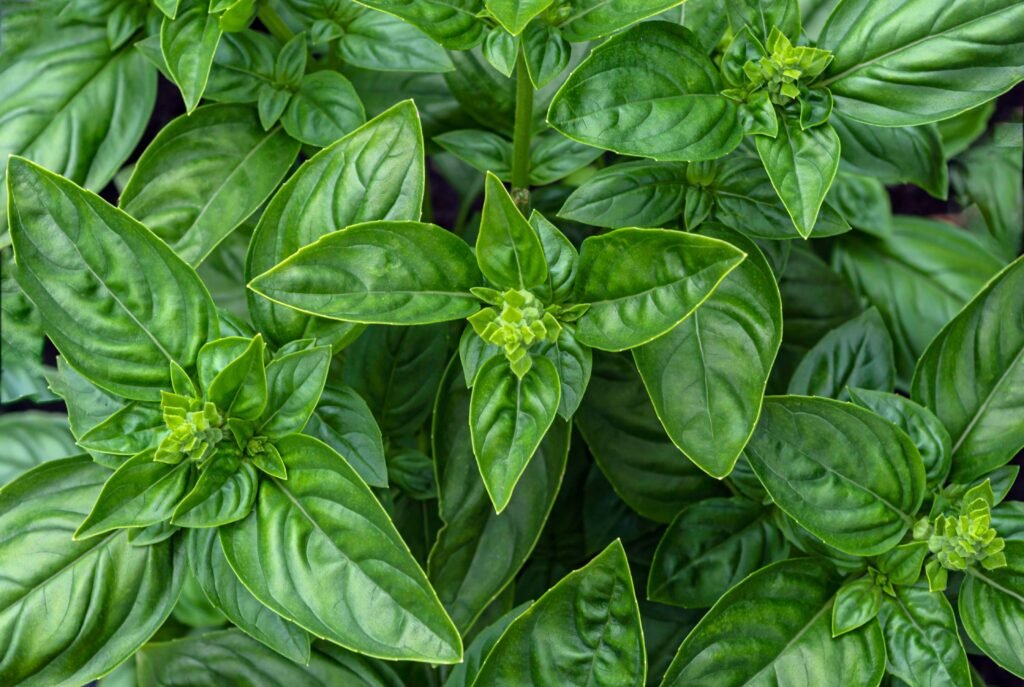
- Fresh basil leaves – 2 cups (packed, about 2 large bunches)
- Parmesan cheese – ½ cup (freshly grated)
- Pine nuts – ⅓ cup (toasted, for extra flavor)
- Garlic – 2 cloves (peeled)
- Extra virgin olive oil – ½ cup (good quality)
- Salt – ½ teaspoon (or to taste)
- Black pepper – ¼ teaspoon (freshly ground)
- Lemon juice – 1 teaspoon (optional, helps preserve color)
Premium Ingredient Options
- Basil: Use fresh, fragrant basil – the key to great pesto. Look for bright green leaves with no brown spots.
- Parmesan: Freshly grated Parmigiano-Reggiano is essential – pre-grated cheese won’t melt or blend as smoothly.
- Olive Oil: Use a good-quality extra virgin olive oil – it adds richness and depth.
- Pine Nuts: Toasted pine nuts add a nutty, buttery flavor – toast them in a dry pan until golden.
Budget Alternatives
- Use walnuts or almonds instead of pine nuts – they’re more affordable and still delicious.
- Use Pecorino Romano instead of Parmesan for a sharper flavor.
- Use a neutral oil like avocado oil if you don’t have olive oil.
Common Ingredient Mistakes
- Using pre-grated Parmesan: Pre-grated cheese contains anti-caking agents that prevent smooth blending – grate your own.
- Using bitter basil: Basil can become bitter if it’s past its prime – use fresh, young leaves.
- Adding too much olive oil: Add oil gradually to achieve the perfect consistency – you can always add more.
Ingredient Substitutions
- No pine nuts: Use walnuts, almonds, pistachios, or sunflower seeds.
- No Parmesan: Use Pecorino Romano, Asiago, or nutritional yeast for a dairy-free option.
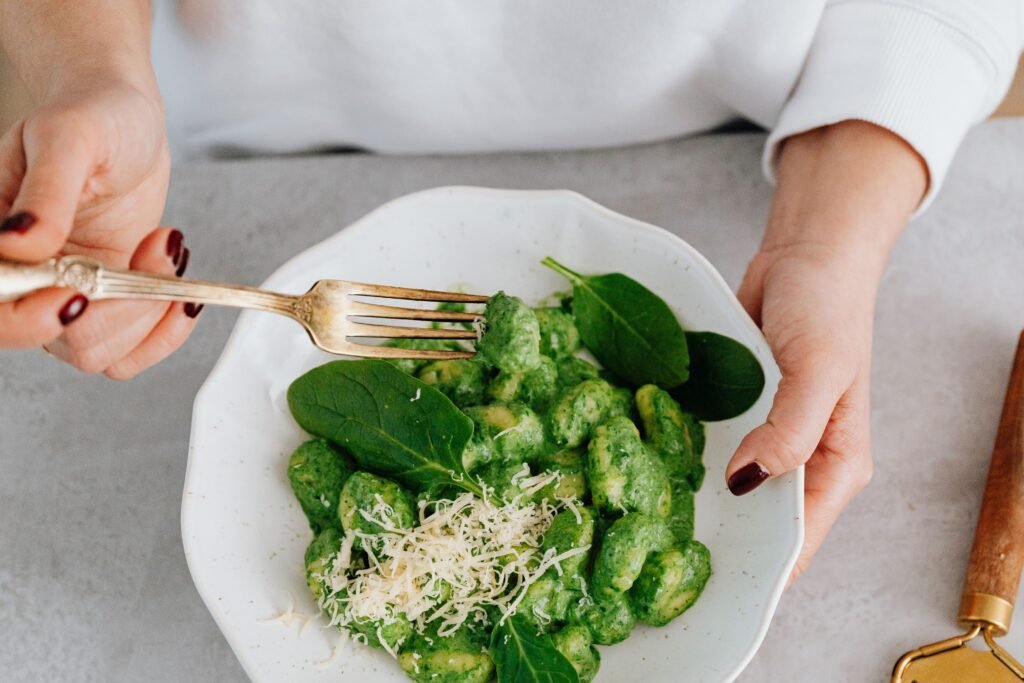
- No fresh basil: Use spinach or arugula for a different flavor – or a mix of basil and spinach.
- No olive oil: Use avocado oil or a light-tasting olive oil.
Equipment
Essential Tools
- Food processor or high-speed blender
- Measuring cups and spoons
- Rubber spatula (for scraping the sides)
- Small skillet (for toasting pine nuts)
Optional Tools
- Mortar and pestle (for traditional pesto)
- Microplane (for grating Parmesan)
Step-by-Step Instructions
- Toast the Pine Nuts (Optional but Recommended)
In a small dry skillet over medium heat, toast the pine nuts for 2-3 minutes, shaking frequently, until golden and fragrant. Remove from heat and let cool.
Visual cue: The pine nuts should be lightly golden and smell nutty.
Pro tip: Toasting the pine nuts brings out their natural oils and enhances their flavor. - Prep the Basil
Wash the basil leaves and pat them completely dry with a paper towel. Remove any thick stems.
Visual cue: The basil should be bright green and fragrant.
Why this matters: Wet basil can make the pesto watery – dry it thoroughly. - Blend the Ingredients
In a food processor, combine the toasted pine nuts, garlic cloves, and grated Parmesan cheese. Pulse until finely chopped. Add the basil leaves, salt, and pepper. Pulse until the basil is finely chopped.
Visual cue: The mixture should be coarse and uniform.
Pro tip: Don’t over-process the basil – it can release bitter compounds. - Add the Olive Oil
With the food processor running, slowly drizzle in the olive oil through the feed tube. Blend until the pesto is smooth and creamy, stopping to scrape down the sides as needed.
Texture cue: The pesto should be thick, smooth, and spreadable.
Pro tip: Add the oil gradually – you may not need all of it to achieve the desired consistency. - Add Lemon Juice (Optional)
If using, add the lemon juice and pulse once or twice to combine. Lemon juice helps preserve the pesto’s vibrant green color.
Pro tip: Lemon juice also adds a subtle brightness that enhances the flavors. - Taste and Adjust
Taste the pesto and adjust the seasoning as needed. Add more salt, pepper, or Parmesan to your preference.
Pro tip: Pesto is best when it’s well-seasoned – don’t be shy with the salt. - Serve or Store
Use immediately, or transfer to an airtight container and top with a thin layer of olive oil to prevent browning. Store in the refrigerator for up to a week, or freeze for later use.
Visual cue: The pesto should be a vibrant, bright green color.
Chef’s Secret: To keep your pesto bright green, blanch the basil leaves in boiling water for 10 seconds, then plunge into ice water. Pat dry before blending – this preserves the color and prevents oxidation.
Expert Chef Tips
Restaurant Techniques for Home Cooks
- Toast the Nuts: Toasting pine nuts or walnuts brings out their natural oils and enhances their flavor – don’t skip this step.
- Use a Food Processor: A food processor gives the best texture – a blender can over-process and make the pesto too smooth.
- Add Oil Gradually: Adding the oil slowly while the processor runs creates a perfect emulsion.
- Season Well: Pesto needs a good amount of salt to bring out the flavors – taste and adjust.
- Top with Oil: Cover the surface of the pesto with a thin layer of olive oil before storing to prevent browning.
Flavor Balancing
- Salt: Salt enhances all the flavors – don’t be shy with it.
- Garlic: Garlic adds pungency and depth – adjust to your preference.
- Parmesan: Parmesan adds nutty, savory richness – use freshly grated for the best flavor.
- Lemon: A touch of lemon juice brightens the flavors and preserves color.
- Olive Oil: Quality olive oil adds richness and body – use a good one.
Texture Improvement Tips
- Use a Food Processor: A food processor gives the best texture – a mortar and pestle is traditional but takes longer.
- Don’t Over-Process: Over-processing can make the pesto bitter – pulse until just combined.
- Use Fresh Basil: Fresh, young basil leaves have the best texture and flavor.
Cooking Science: The oil in pesto helps extract and preserve the flavor compounds in basil, while the Parmesan adds umami and helps emulsify the sauce. Lemon juice’s acidity prevents oxidation, keeping the pesto bright green. The garlic adds allicin, a compound that provides pungent flavor and has antimicrobial properties – helping the pesto stay fresh longer.
Troubleshooting
- Pesto is too thick – Add a little more olive oil or a splash of water and blend until smooth.
- Pesto is too thin – Add more Parmesan or nuts to thicken it.
- Pesto is bitter – The basil may have been over-processed or was past its prime. Add a little sugar or lemon juice to balance the bitterness.
- Pesto is brown – The basil may have oxidized. In the future, blanch the basil or add lemon juice to preserve color.
- Not enough flavor – Add more salt, Parmesan, or garlic to boost the flavor.
- Too garlicky – Use fewer cloves next time, or roast the garlic first to mellow the flavor.
Recipe Variations
Classic Basil Pesto
Follow the recipe as written – it’s the perfect balance of fresh basil, nutty Parmesan, and garlic.
Sun-Dried Tomato Pesto
Replace half the basil with sun-dried tomatoes for a rich, tangy twist.
Arugula Pesto
Replace the basil with arugula for a peppery, slightly spicy version.
Vegan Pesto
Use nutritional yeast instead of Parmesan and skip the cheese – it’s still delicious.
More Delicious Variations
- Walnut Pesto: Use walnuts instead of pine nuts for a more affordable, earthy flavor.
- Cilantro Pesto: Replace basil with cilantro for a fresh, bright sauce perfect for tacos.
- Mint Pesto: Use mint for a refreshing, vibrant pesto – great with lamb or as a dip.
- Spicy Pesto: Add a pinch of red pepper flakes for a kick of heat.
Serving Suggestions
Classic Pairings
Pasta, pizza, sandwiches, bruschetta, and crostini. It’s also delicious stirred into soups, drizzled over roasted vegetables, or used as a marinade for chicken and fish.
Breakfast
Spread on toast with eggs, swirl into scrambled eggs, or mix into avocado toast.
Garnishes
Extra Parmesan, pine nuts, or a drizzle of olive oil.
Presentation Ideas
Serve in a small bowl with a drizzle of olive oil on top. For a beautiful presentation, spoon the pesto into a serving dish and top with a sprinkle of pine nuts.
Storage & Reheating
Refrigeration
Store pesto in an airtight container with a thin layer of olive oil on top to prevent browning. It will keep in the refrigerator for up to a week.
Freezing
Freeze pesto in ice cube trays for easy portioning. Once frozen, transfer to a freezer bag and store for up to 6 months. Thaw and use as needed.
Serving Tips
Bring pesto to room temperature before using for the best flavor. Stir well before serving, as the oil may separate.
FAQ
How do you make basil pesto from scratch?
To make basil pesto from scratch, combine fresh basil, pine nuts, garlic, Parmesan, and olive oil in a food processor. Pulse until smooth, season with salt, and enjoy.
What is the best way to store pesto?
Store pesto in an airtight container with a thin layer of olive oil on top to prevent browning. It will keep in the refrigerator for up to a week or in the freezer for up to 6 months.
Can I make pesto without pine nuts?
Yes – walnuts, almonds, pistachios, or sunflower seeds all work well as substitutes.
Why is my pesto bitter?
Pesto can become bitter if the basil is over-processed or if the basil is past its prime. Adding a little sugar or lemon juice can balance the bitterness.
Can I use a blender instead of a food processor?
Yes, but a food processor gives a better texture – a blender can over-process and make the pesto too smooth.
How do I keep pesto from turning brown?
Add a little lemon juice to help preserve the color, and top the pesto with a thin layer of olive oil before storing to prevent oxidation.
Can I freeze pesto?
Yes – freeze pesto in ice cube trays for easy portioning. Once frozen, transfer to a freezer bag and store for up to 6 months.
What can I use pesto for?
Pesto is incredibly versatile – use it on pasta, pizza, sandwiches, bruschetta, as a marinade for chicken or fish, stirred into soups, or drizzled over roasted vegetables.
Can I make pesto without Parmesan?
Yes – use nutritional yeast for a dairy-free, vegan version.
How long does homemade pesto last?
Homemade pesto will keep in the refrigerator for up to a week and in the freezer for up to 6 months.
Can I use dried basil for pesto?
Fresh basil is essential for pesto – dried basil won’t provide the same flavor or texture.
Nutrition (estimated per serving – 2 tablespoons)
- Calories: 120-160
- Protein: 2-4g
- Carbohydrates: 2-4g
- Fat: 12-16g
- Fiber: 0-1g
- Sugar: 0-1g
- Calcium: 6-8% DV
Note: Nutrition values are estimates and may vary based on specific ingredients, portion sizes, and cooking methods.
Recipe Card
| Easy Basil Pesto Recipe in 5 Minutes | |
| Cuisine | Italian |
| Course | Sauce / Condiment |
| Prep Time | 5 minutes |
| Cook Time | 0 minutes |
| Total Time | 5 minutes |
| Servings | 8-10 |
| Calories | 120-160 per serving |
Ingredients
- 2 cups fresh basil leaves (packed)
- ½ cup Parmesan cheese (freshly grated)
- ⅓ cup pine nuts (toasted)
- 2 cloves garlic (peeled)
- ½ cup extra virgin olive oil
- ½ teaspoon salt (or to taste)
- ¼ teaspoon black pepper (freshly ground)
- 1 teaspoon lemon juice (optional)
Instructions
- Toast pine nuts in a dry skillet over medium heat for 2-3 minutes until golden and fragrant. Let cool.
- Wash and pat dry the basil leaves. Remove thick stems.
- In a food processor, combine pine nuts, garlic, and Parmesan. Pulse until finely chopped.
- Add basil, salt, and pepper. Pulse until basil is finely chopped.
- With the processor running, slowly drizzle in olive oil. Blend until smooth and creamy.
- Add lemon juice (if using) and pulse to combine.
- Taste and adjust seasoning. Serve immediately or store.
Notes
- Use fresh, fragrant basil for the best flavor.
- Toast the pine nuts for extra nutty flavor – don’t skip this step.
- Add the oil gradually to achieve the perfect consistency.
- Top with a thin layer of olive oil before storing to prevent browning.
- Freeze in ice cube trays for easy portioning.
Nutrition (per serving)
Calories: 120-160 | Protein: 2-4g | Carbs: 2-4g | Fat: 12-16g | Fiber: 0-1g | Sugar: 0-1g | Calcium: 6-8% DV
Enjoy your Homemade Basil Pesto!
Don’t forget to share your creation and tag us!