
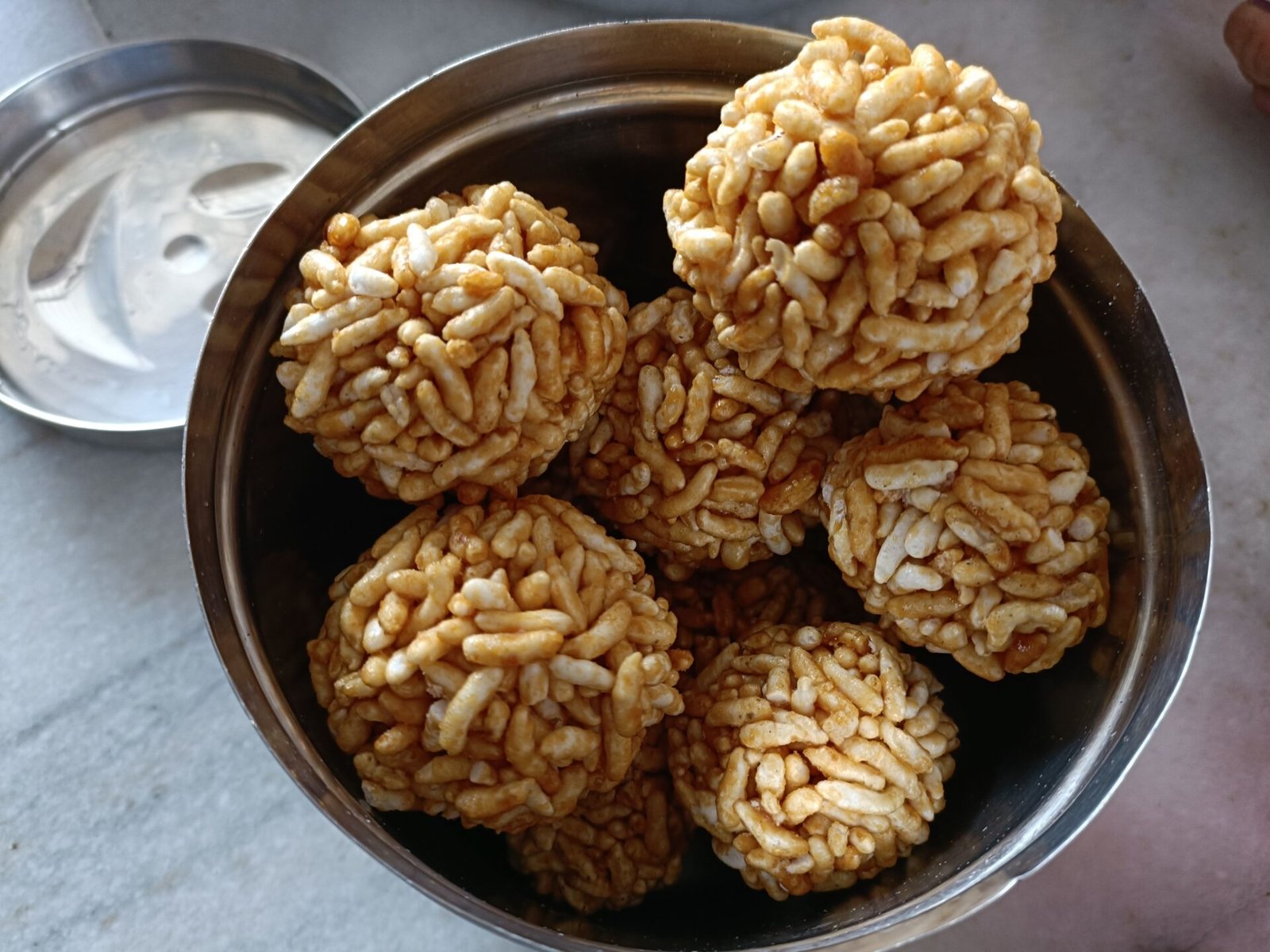
There’s something deeply comforting about a warm bowl of Thiruvathirai Kali – a sweet, fragrant rice dish made with jaggery, coconut, and a hint of cardamom. This traditional South Indian prasadam is more than just a dessert; it’s a symbol of devotion, tradition, and the rich culinary heritage of Tamil Nadu and Kerala. Made especially for the auspicious Thiruvathirai festival, this sweet rice dish is the perfect way to break a day-long fast and celebrate the divine.
I first encountered Thiruvathirai Kali during a visit to a friend’s home in Tamil Nadu, where the entire family was preparing for the Thiruvathirai viratham. The aroma of roasting rice, melting jaggery, and fragrant cardamom filled the house, creating an atmosphere of warmth and anticipation. The first bite was pure bliss – the soft, fluffy rice, the deep sweetness of jaggery, and the nutty crunch of roasted cashews. I was instantly hooked and knew I had to learn how to make it myself. For more authentic South Indian recipes, explore our collection of dinner recipes.
This recipe is a celebration of simplicity and tradition. With just a handful of ingredients – raw rice, moong dal, jaggery, coconut, and ghee – you can create a dish that’s both nourishing and deeply satisfying. The coarse rice rava gives the kali a soft, fluffy texture, while the jaggery syrup adds a rich, caramel-like sweetness. It’s a dish that tastes even better the next day, making it perfect for festive preparations. For more dessert inspiration, check out our dessert recipes.
Why This Recipe Works: The combination of roasted rice and moong dal, cooked to a fluffy consistency and sweetened with rich jaggery syrup, creates a perfectly balanced, melt-in-your-mouth texture. The addition of coconut, cardamom, and ghee-roasted nuts elevates this humble dish into a festive delicacy.
What Is Thiruvathirai Kali?
Thiruvathirai Kali is a traditional sweet dish made with raw rice, jaggery, coconut, and ghee, prepared especially for the Thiruvathirai festival in the South Indian states of Tamil Nadu and Kerala. The dish is served as prasadam (offering) to Lord Shiva after a day-long fast observed by devotees, particularly women, who pray for marital bliss and well-being. The kali is often accompanied by a side dish called Thiruvathirai Kootu, a thick vegetable stew made with a variety of tuber vegetables. The festival falls in the month of Dhanu (December-January) and coincides with the Arudra Darisanam, the grand celebration of Lord Nataraja’s cosmic dance.
Why It’s a Festival Favorite
Thiruvathirai Kali is loved for its incredible flavor, simplicity, and deep cultural significance. It’s a dish that embodies devotion and tradition, bringing families together to celebrate the divine. The combination of rice and jaggery provides instant energy, making it the perfect way to break a fast. It’s also incredibly versatile – the sweetness can be adjusted to your preference, and the dish can be customized with different nuts and spices.
Flavor & Texture Profile
- Flavor: Rich, sweet, and aromatic – the deep caramel notes of jaggery are complemented by the fragrant warmth of cardamom and the nutty richness of ghee-roasted cashews.
- Texture: Soft, fluffy, and slightly grainy – the coarse rice rava creates a satisfying, upma-like consistency that’s both comforting and hearty.
- Aroma: The warm, inviting scent of roasted rice, melted jaggery, cardamom, and ghee.
Why You’ll Love This Recipe
Traditional & Authentic
A beloved South Indian festival recipe passed down through generations.
Simple Ingredients
Made with basic pantry staples – rice, jaggery, coconut, and ghee.
Naturally Sweet
Sweetened with jaggery, a healthier alternative to refined sugar.
Perfect for Festivals
An essential prasadam for Thiruvathirai and other special occasions.
- Traditional & Authentic: A beloved South Indian festival recipe passed down through generations.
- Simple Ingredients: Made with basic pantry staples – rice, jaggery, coconut, and ghee.
- Naturally Sweet: Sweetened with jaggery, a healthier alternative to refined sugar.
- Perfect for Festivals: An essential prasadam for Thiruvathirai and other special occasions.
- Easy to Make: Comes together in under an hour with simple, step-by-step instructions.
- Versatile: Can be customized with different nuts, dried fruits, and spices.
- Better the Next Day: The flavors meld and deepen overnight, making it perfect for advance preparation.
Ingredients
For the Kali
- Raw rice – 1 cup (sona masoori or any South Indian variety)
- Moong dal (split yellow) – 2 tablespoons
- Jaggery – 1 to 1.5 cups (adjust to taste)
- Water – 3 cups (for cooking the rice)
- Water – ½ cup (for melting jaggery)
- Grated coconut – ½ cup (fresh or frozen)
- Ghee – 2 to 3 tablespoons
- Cardamom powder – ½ teaspoon
- Salt – a pinch
For the Garnish
- Cashew nuts – 10 to 12, broken
- Raisins – 1 tablespoon (optional)
- Ghee – 1 tablespoon (for roasting)
Premium Ingredient Options
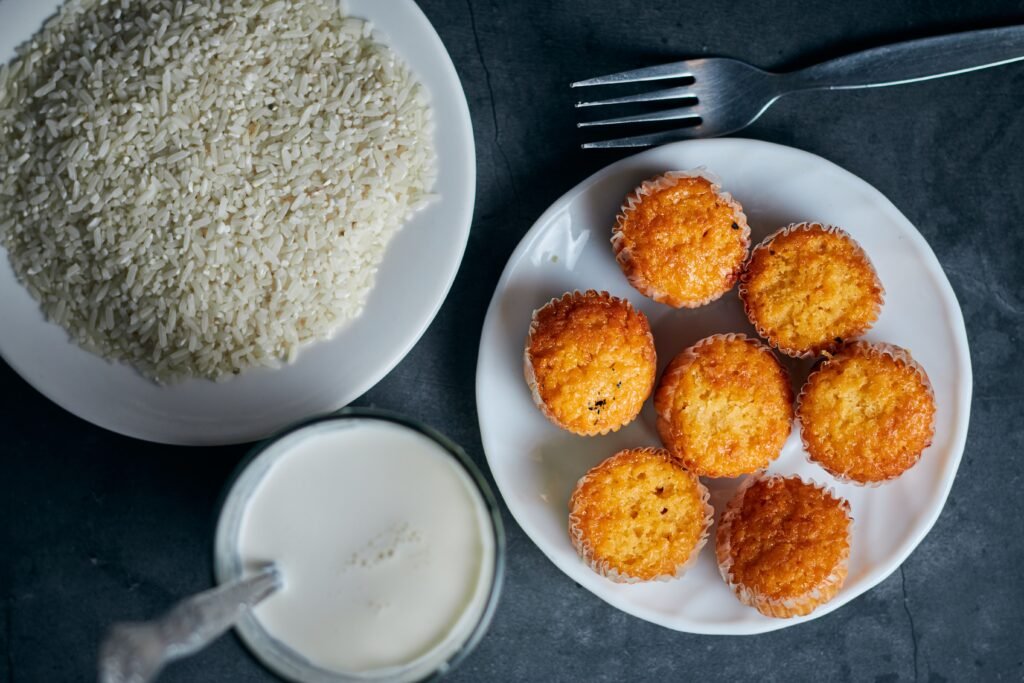
- Rice: Use traditional South Indian varieties like ponni, sona masoori, or matta rice for the most authentic texture.
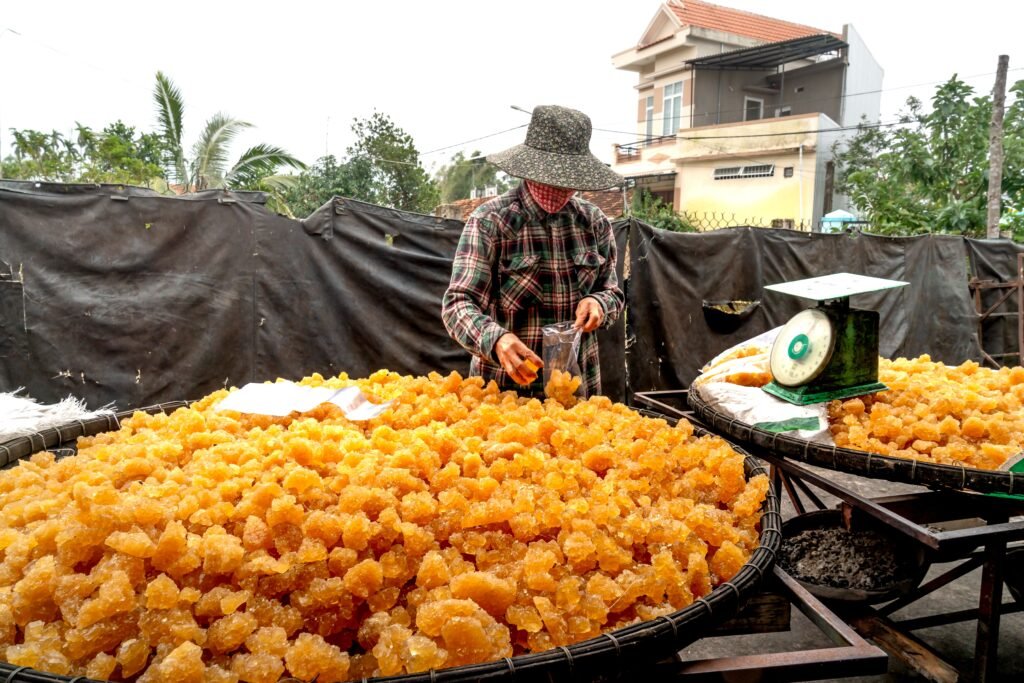
- Jaggery: Use sugarcane jaggery for the best flavor. Look for high-quality, unrefined jaggery with a rich, dark color.
- Ghee: Use homemade or high-quality ghee for a rich, nutty flavor.
- Coconut: Freshly grated coconut adds the best texture and flavor.
Budget Alternatives
- Use regular raw rice instead of premium varieties.
- Use store-bought grated coconut (fresh or frozen).
- Skip the raisins if they’re not available.
Common Ingredient Mistakes
- Not roasting the rice and dal: Roasting is essential for developing the nutty flavor and achieving the right texture.
- Grinding the rice too fine: The rice should be ground to a coarse rava (semolina-like) texture, not a fine powder.
- Adding the rice to cold water: Always add the rice rava to boiling water to prevent lumps.
Ingredient Substitutions
- Gluten-Free: This recipe is naturally gluten-free.
- Dairy-Free: Use coconut oil or a plant-based butter instead of ghee.
- Vegan: Use coconut oil instead of ghee.
- No moong dal: You can omit the moong dal or replace it with chana dal.
- No coconut: You can omit the coconut, but it adds a lovely texture and flavor.
Equipment
Essential Tools
- Heavy-bottomed pan or kadai
- Pressure cooker (optional but recommended)
- Blender or mixer grinder
- Measuring cups and spoons
- Wooden spatula or ladle
Optional Tools
- Small frying pan (for roasting nuts)
- Fine-mesh strainer (for filtering jaggery syrup)
Step-by-Step Instructions
- Roast the Rice and Dal
In a heavy-bottomed pan, dry roast 1 cup of raw rice over medium heat until it turns light golden brown and aromatic. This takes about 5-7 minutes. Remove and set aside. In the same pan, dry roast 2 tablespoons of moong dal until it turns golden brown and fragrant. Remove and set aside to cool completely.
Visual cue: The rice should be light brown and the dal should be golden brown.
Pro tip: Roast the rice and dal separately, as the rice takes longer to roast. - Grind to a Coarse Powder
Once cooled, grind the roasted rice and moong dal together in a blender to a coarse rava (semolina-like) consistency. Do not grind it to a fine powder.
Texture cue: The powder should resemble coarse semolina or upma rava.
Pro tip: Grinding the rice coarsely gives the kali its characteristic fluffy texture. - Prepare the Jaggery Syrup
In a small saucepan, combine the grated jaggery with ½ cup of water. Heat over low heat, stirring until the jaggery is completely dissolved. If the jaggery has impurities, strain the syrup through a fine-mesh strainer. Set aside.
Visual cue: The jaggery should be fully dissolved and the syrup should be smooth.
Pro tip: Filtering the jaggery syrup removes any impurities and ensures a smooth kali. - Cook the Rice
In a heavy-bottomed pan or pressure cooker, bring 3 cups of water to a boil. Add a pinch of salt. Gradually add the ground rice and dal mixture, stirring continuously with one hand while pouring with the other to prevent lumps.
Visual cue: The mixture will thicken quickly as it absorbs the water.
Pro tip: Continuous stirring is essential to prevent lumps. - Pressure Cook or Simmer
Pressure Cooker Method: Close the pressure cooker and cook for 2-3 whistles. Let the pressure release naturally.
Pan Method: Cover and cook on low heat, stirring occasionally, until the rice is fully cooked and the water is absorbed. This may take 10-15 minutes.
Texture cue: The rice should be soft and fully cooked, and the mixture should be fluffy.
Pro tip: The pressure cooker method is quicker and more consistent. - Add the Jaggery Syrup
Once the rice is cooked, pour the prepared jaggery syrup over the rice mixture. Mix well until the jaggery is evenly incorporated. Cook on low heat for 5-7 minutes, stirring continuously, until the kali thickens and comes together.
Visual cue: The kali should have a uniform, deep brown color and a glossy sheen.
Pro tip: The mixture will thicken as it cooks – it should have a soft, fluffy upma-like consistency. - Add Flavorings
Add the grated coconut, cardamom powder, and 1-2 tablespoons of ghee. Mix well and cook for another 2-3 minutes.
Aroma cue: The cardamom and ghee will add a wonderful fragrance.
Pro tip: Adding ghee at the end enhances the richness and flavor. - Prepare the Garnish
In a small pan, heat 1 tablespoon of ghee. Add the cashew nuts and raisins and roast until the cashews are golden brown and the raisins are plump. Pour the roasted nuts and ghee over the kali and mix well.
Visual cue: The cashews should be golden and the raisins should be puffed up.
Pro tip: Roasting the nuts in ghee adds a wonderful nutty flavor and a beautiful crunch. - Serve
Serve the Thiruvathirai Kali warm as a prasadam or dessert. It can also be served with a side of Thiruvathirai Kootu for a complete festive meal.
Chef’s Secret: For the most authentic flavor, use freshly grated coconut and high-quality jaggery. If you’re using block jaggery, make sure to grate it finely so it dissolves quickly. Also, don’t skip the cardamom – it’s the spice that truly defines this dish. The kali tastes even better the next day as the flavors meld together.
Expert Chef Tips
For the Perfect Thiruvathirai Kali
- Roast the Rice and Dal Well: Roasting is essential for developing the nutty flavor and achieving the right texture. Don’t skip this step.
- Grind to the Right Consistency: The rice should be ground to a coarse rava (semolina-like) texture, not a fine powder. This gives the kali its characteristic fluffy texture.
- Prevent Lumps: Add the ground rice to boiling water gradually while stirring continuously to prevent lumps.
- Adjust Sweetness: The sweetness of jaggery can vary, so adjust the amount to your preference.
- Use Fresh Coconut: Freshly grated coconut adds the best flavor and texture. If using frozen, thaw it completely before adding.
Flavor Balancing
- Sweetness: Jaggery provides the primary sweetness. Adjust the amount based on the sweetness of your jaggery.
- Salt: A pinch of salt enhances the sweetness and balances the flavors.
- Aroma: Cardamom adds a warm, fragrant note that defines this dish.
- Richness: Ghee adds a rich, nutty flavor that elevates the dish.
Texture Improvement Tips
- Grind to a Coarse Rava: A coarse grind is essential for a fluffy, non-sticky texture.
- Don’t Overcook: Overcooking can make the kali sticky and dense. Cook until the rice is just tender.
- Add Ghee at the End: Adding ghee at the end enhances the richness and prevents the kali from becoming dry.
Cooking Science: The starch in the rice gelatinizes when cooked, creating the soft, fluffy texture of the kali. The jaggery syrup adds moisture and sweetness, while the ghee coats the rice grains, preventing them from sticking together and adding a rich flavor. The cardamom adds aromatic compounds that enhance the overall flavor profile.
Troubleshooting
- Kali is too sticky – You may have added too much water or overcooked it. Next time, reduce the water slightly.
- Kali is too dry – You may not have added enough water or jaggery syrup. Add a little warm water or milk to adjust the consistency.
- Kali is lumpy – You may not have stirred continuously when adding the rice rava. Next time, add the rava gradually and stir constantly.
- Not sweet enough – Add more jaggery syrup to taste.
- Too sweet – Add a little more cooked rice or reduce the jaggery next time.
- Kali is undercooked – The rice may not have been fully cooked. Continue cooking on low heat until tender.
Recipe Variations
Classic Thiruvathirai Kali
Follow the recipe as written for the perfect traditional dish.
Kesar Kali
Add a pinch of saffron soaked in warm milk for a royal touch.
Nutty Kali
Add extra nuts like almonds, pistachios, or walnuts for added crunch.
Coconut Milk Kali
Replace some of the water with coconut milk for a richer, creamier version.
More Delicious Variations
- Dry Fruit Kali: Add chopped dates, figs, or dried apricots for a festive touch.
- Jaggery & Palm Sugar Kali: Replace some of the jaggery with palm sugar for a unique flavor.
- Cardamom & Nutmeg Kali: Add a pinch of nutmeg along with the cardamom for a warmer flavor.
Serving Suggestions
Classic Pairings
Serve Thiruvathirai Kali warm as a prasadam or dessert. It pairs beautifully with a side of Thiruvathirai Kootu, a thick vegetable stew made with tuber vegetables like yam, plantain, and ash gourd. For more authentic South Indian meal ideas, explore our collection of dinner recipes.
Garnishes
Extra roasted cashews, a drizzle of ghee, or a sprinkle of cardamom powder.
Drinks
A cup of warm spiced tea or a glass of buttermilk pairs beautifully with this sweet dish.
Presentation Ideas
Serve in a traditional brass or silver bowl for a festive look. Garnish with a few strands of saffron or a sprinkle of edible silver leaf (varak) for a truly special presentation.
Storage & Reheating
Refrigeration
Store leftover Thiruvathirai Kali in an airtight container in the refrigerator for up to 2-3 days. The flavors will deepen and meld overnight.
Freezing
Freeze the kali in a freezer-safe container for up to 2-3 months. Thaw overnight in the refrigerator before reheating.
Reheating Methods
- Steaming (Best): Reheat by steaming for 5-7 minutes until warm and soft.
- Microwave: Sprinkle a few drops of water on the kali and heat in 30-second intervals until warm.
- Stovetop: Reheat gently in a pan with a splash of milk or water over low heat.
FAQ
What is Thiruvathirai Kali made of?
Thiruvathirai Kali is made with raw rice, moong dal, jaggery, coconut, cardamom, and ghee. It’s a sweet, fragrant dish traditionally prepared for the Thiruvathirai festival.
Can I use brown rice instead of white rice?
Yes, brown rice can be used, but it will have a different texture and require a longer cooking time.
Can I use honey instead of jaggery?
Honey can be used, but the flavor will be different. Jaggery gives the dish its characteristic deep, caramelized sweetness.
What is the best way to grind the rice?
Grind the rice to a coarse rava (semolina-like) consistency. Do not grind it to a fine powder – this is essential for the right texture.
Why is my kali too sticky?
You may have added too much water or overcooked it. Next time, reduce the water slightly and cook until the rice is just tender.
Can I make this without moong dal?
Yes, the moong dal is optional. However, it adds a lovely texture and nutty flavor.
Can I use frozen coconut?
Yes, frozen grated coconut works well. Thaw it completely before adding.
How do I store leftover kali?
Store in an airtight container in the refrigerator for up to 2-3 days. Reheat with a splash of water or milk.
Can I make this vegan?
Yes, use coconut oil or a plant-based butter instead of ghee.
What is Thiruvathirai Kootu?
Thiruvathirai Kootu is a thick vegetable stew made with tuber vegetables like yam, plantain, and ash gourd, traditionally served alongside Thiruvathirai Kali.
Nutrition (estimated per serving – about ½ cup)
- Calories: 180-220
- Protein: 3-5g
- Carbohydrates: 35-40g
- Fat: 6-8g
- Fiber: 2-3g
- Sugar: 18-22g
- Sodium: 20-40mg
Note: Nutrition values are estimates and may vary based on specific ingredients, portion sizes, and cooking methods.
Recipe Card
| Thiruvathirai Kali – Sweetened Rice & Jaggery Delight | |
| Cuisine | South Indian |
| Course | Dessert / Prasadam |
| Prep Time | 10 minutes |
| Cook Time | 25-30 minutes |
| Total Time | 35-40 minutes |
| Servings | 4-6 |
| Calories | 180-220 per serving |
Ingredients
For the Kali:
- 1 cup raw rice (sona masoori or any South Indian variety)
- 2 tablespoons moong dal (split yellow)
- 1 to 1.5 cups jaggery (adjust to taste)
- 3 cups water (for cooking the rice)
- ½ cup water (for melting jaggery)
- ½ cup grated coconut (fresh or frozen)
- 2 to 3 tablespoons ghee
- ½ teaspoon cardamom powder
- Pinch of salt
For the Garnish:
- 10 to 12 cashew nuts (broken)
- 1 tablespoon raisins (optional)
- 1 tablespoon ghee (for roasting)
Instructions
- Dry roast rice over medium heat until light golden and aromatic (5-7 minutes). Roast moong dal until golden and fragrant. Cool completely.
- Grind roasted rice and dal together to a coarse rava (semolina-like) consistency. Do not grind to a fine powder.
- In a saucepan, dissolve jaggery in ½ cup water over low heat. Strain if impurities are present. Set aside.
- In a heavy-bottomed pan or pressure cooker, bring 3 cups water to a boil. Add a pinch of salt.
- Gradually add the ground rice and dal mixture, stirring continuously to prevent lumps.
- Pressure Cooker Method: Cook for 2-3 whistles. Let pressure release naturally.
Pan Method: Cover and cook on low heat, stirring occasionally, until rice is cooked and water is absorbed (10-15 minutes). - Pour the jaggery syrup over the cooked rice. Mix well and cook on low heat for 5-7 minutes until the kali thickens.
- Add grated coconut, cardamom powder, and 1-2 tablespoons ghee. Cook for another 2-3 minutes.
- In a small pan, heat 1 tablespoon ghee. Roast cashews and raisins until golden and plump. Pour over the kali and mix well.
- Serve warm as a prasadam or dessert.
Notes
- Roast the rice and dal well for the best flavor.
- Grind the rice to a coarse rava, not a fine powder.
- Add the ground rice to boiling water gradually while stirring to prevent lumps.
- Adjust the sweetness by adding more or less jaggery to your taste.
- The kali tastes even better the next day as the flavors meld.
Nutrition (per serving)
Calories: 180-220 | Protein: 3-5g | Carbs: 35-40g | Fat: 6-8g | Fiber: 2-3g | Sugar: 18-22g | Sodium: 20-40mg
Love This Recipe? Explore more delicious South Indian and festive recipes in our collections of Appetizer Recipes, Brunch Recipes, Dinner Recipes, and Salad Recipes.
Enjoy your homemade Thiruvathirai Kali!
Don’t forget to share your creation and tag us!