
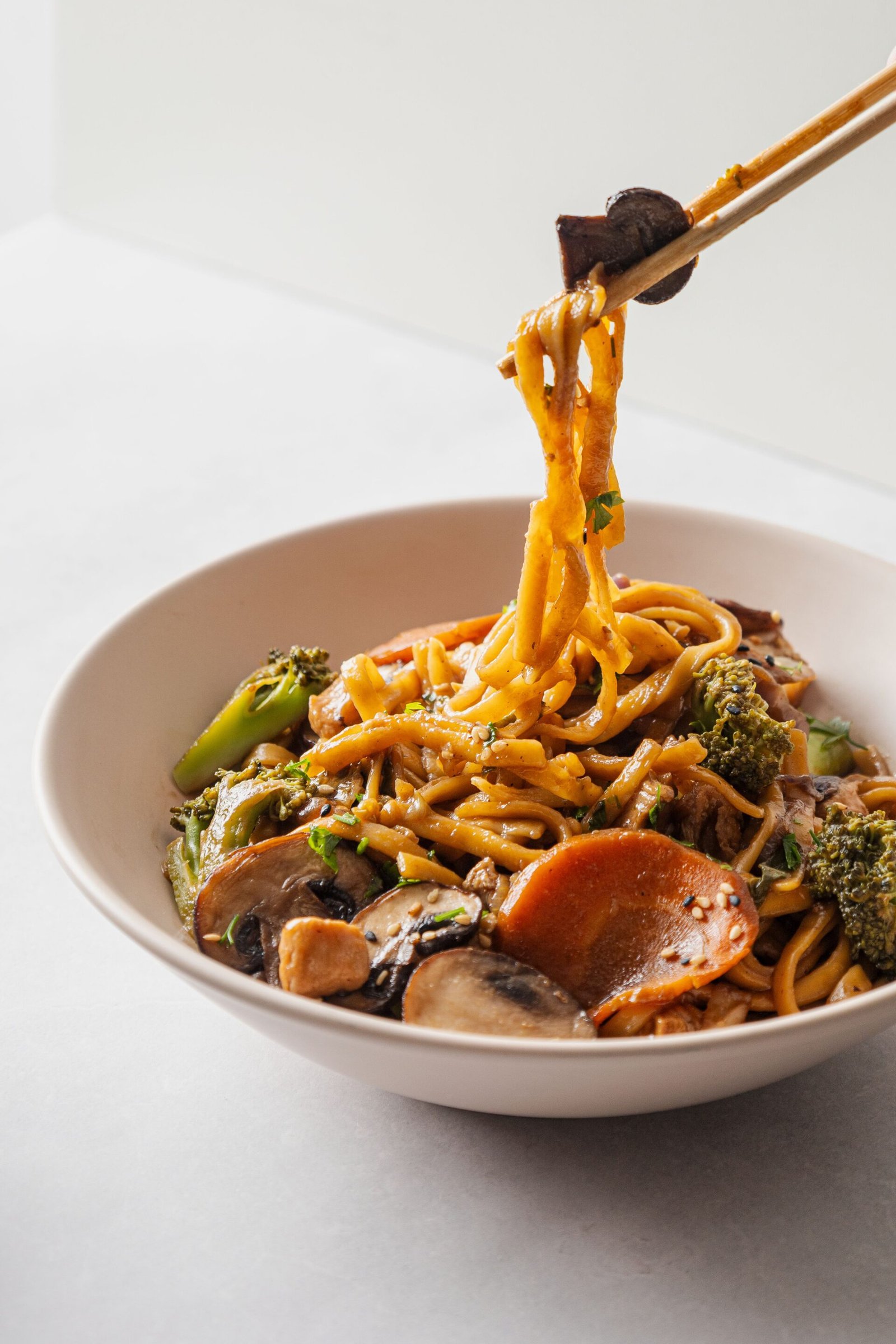
These Saucy Gochujang Noodles with Chicken are exactly that a perfect balance of heat, umami, and sweetness that comes together in just 30 minutes. The gochujang paste adds a complex, fermented flavor that elevates this dish from simple stir-fry to something truly special.
I first discovered gochujang during a trip to a Korean market and was immediately drawn to its deep, rich color and intense aroma. After experimenting with different recipes, I found that it pairs beautifully with chewy noodles and tender chicken, creating a sauce that clings to every strand. This recipe has become a weeknight staple in my kitchen, and I’m confident it will be in yours too.
This dish is incredibly versatile – you can use any protein you like, swap the noodles for rice, or adjust the spice level to your preference. It’s the kind of meal that’s quick enough for a busy weeknight yet impressive enough to serve to guests. Plus, the leftovers are even better the next day.
Why This Recipe Works: Gochujang paste provides a complex, fermented heat that’s unmatched by other chili pastes. The combination of soy sauce, honey, and sesame oil creates a perfectly balanced sauce that’s spicy, savory, and slightly sweet.
What Is Gochujang?
Gochujang is a Korean fermented chili paste made from chili powder, glutinous rice, fermented soybeans, and salt. It’s thick, deeply red, and has a complex flavor profile that’s spicy, savory, and slightly sweet. Unlike other chili pastes, gochujang has a rich umami depth from the fermentation process, making it an incredibly versatile ingredient in Korean cooking.
In this recipe, gochujang is the star of the sauce, providing heat and depth that transforms simple noodles into a memorable meal. It’s available at most Asian grocery stores and many mainstream supermarkets.
Why You’ll Love This Recipe
Quick & Easy
Ready in just 30 minutes – perfect for busy weeknights.
Bold & Flavorful
Gochujang paste adds a complex, spicy-savory kick.
Versatile
Works with any protein – chicken, beef, pork, or tofu.
Better Than Takeout
Fresh, homemade, and far more flavorful than delivery.
- Quick & Easy: Ready in just 30 minutes – perfect for busy weeknights.
- Bold & Flavorful: Gochujang paste adds a complex, spicy-savory kick.
- Versatile: Works with any protein – chicken, beef, pork, or tofu.
- Better Than Takeout: Fresh, homemade, and far more flavorful than delivery.
- One-Pan Meal: Minimal cleanup – everything cooks in one skillet.
- Customizable Heat: Adjust the spice level to your preference.
Ingredients
For the Sauce
- Gochujang paste – 3 tablespoons (Korean chili paste)
- Soy sauce – 2 tablespoons (low-sodium recommended)
- Honey or brown sugar – 2 tablespoons (for sweetness)
- Rice vinegar – 1 tablespoon (adds tanginess)
- Sesame oil – 1 tablespoon (for aroma)
- Garlic – 3 cloves (minced)
- Ginger – 1 tablespoon (grated)
- Chicken broth or water – ½ cup (to thin the sauce)
For the Noodles & Chicken
- Chicken breasts or thighs – 1 lb (boneless, skinless, thinly sliced)
- Noodles – 12 oz (udon, soba, or lo mein noodles)
- Vegetable oil – 2 tablespoons (for stir-frying)
- Onion – 1 medium (thinly sliced)
- Bell pepper – 1 (sliced, any color)
- Carrot – 1 (julienned)
- Green onions – 3 (chopped, for garnish)
- Sesame seeds – 1 tablespoon (for garnish)
Premium Ingredient Options
- Gochujang: Look for gochujang in the refrigerated section of Asian markets for the best quality.
- Noodles: Fresh udon noodles have the best chewy texture, but dried work well too.
- Chicken: Boneless, skinless thighs are more flavorful and forgiving than breasts.
- Sesame Oil: Toasted sesame oil has a richer, more intense flavor.
Budget Alternatives
- Use any noodles you have on hand – spaghetti or ramen work in a pinch.
- Use chicken breast if thighs are more expensive.
- Substitute broccoli or snap peas for bell pepper and carrot.
Common Ingredient Mistakes
- Using too much gochujang: It’s quite spicy – start with 3 tablespoons and adjust to taste.
- Not thinning the sauce: Gochujang is thick – add broth or water to create a silky sauce.
- Overcooking the noodles: Cook them just until al dente – they’ll continue to soften in the sauce.
Ingredient Substitutions
- Gluten-Free: Use tamari instead of soy sauce and gluten-free noodles.
- Vegan: Use tofu or tempeh instead of chicken and vegetable broth.
- Low-Carb: Serve over zucchini noodles or cauliflower rice.
- Less Spicy: Reduce gochujang to 2 tablespoons and add extra honey.
- More Spicy: Add ½ teaspoon of red pepper flakes or extra gochujang.
Equipment
Essential Tools
- Large skillet or wok
- Large pot (for boiling noodles)
- Mixing bowl (for the sauce)
- Chef’s knife and cutting board
Optional Tools
- Meat thermometer (for checking chicken doneness)
- Colander (for draining noodles)
Step-by-Step Instructions
- Make the Sauce
In a small bowl, whisk together the gochujang, soy sauce, honey, rice vinegar, sesame oil, minced garlic, grated ginger, and chicken broth until smooth. Set aside.
Visual cue: The sauce should be a thick, glossy, deep red paste.
Pro tip: Taste the sauce and adjust the sweetness or spice to your preference. - Cook the Noodles
Bring a large pot of salted water to a boil. Cook the noodles according to package instructions until al dente. Drain and set aside. Toss with a drizzle of sesame oil to prevent sticking.
Pro tip: Cook the noodles just before serving for the best texture. - Cook the Chicken
Heat 1 tablespoon of vegetable oil in a large skillet or wok over medium-high heat. Add the sliced chicken and cook for 5-7 minutes, until golden brown and cooked through (165°F internal). Remove the chicken from the pan and set aside.
Visual cue: The chicken should be lightly browned and no longer pink.
Pro tip: Don’t overcrowd the pan – cook in batches if necessary. - Stir-Fry the Vegetables
Add the remaining 1 tablespoon of oil to the pan. Add the sliced onion, bell pepper, and carrot. Stir-fry for 3-4 minutes until the vegetables are crisp-tender.
Texture cue: The vegetables should be bright and still slightly crunchy. - Combine Everything
Return the cooked chicken to the pan. Pour the sauce over the chicken and vegetables. Stir well and cook for 2-3 minutes until the sauce thickens and coats everything evenly.
Visual cue: The sauce should be glossy and clinging to the ingredients.
Pro tip: If the sauce is too thick, add a splash of broth or water. - Add the Noodles
Add the cooked noodles to the pan and toss until evenly coated in the sauce. Heat through for 1-2 minutes.
Texture cue: The noodles should be well-coated and glossy. - Garnish and Serve
Transfer to serving bowls and garnish with chopped green onions and sesame seeds. Serve immediately.
Visual cue: A sprinkle of green onions and sesame seeds adds color and texture.
Chef’s Secret: For the most flavorful sauce, let it sit for 10-15 minutes before using to allow the flavors to meld. If you have time, marinate the chicken in 2 tablespoons of the sauce for 15 minutes before cooking for extra depth.
Expert Chef Tips
For the Perfect Gochujang Noodles
- Balance the Heat: Gochujang can be spicy – balance it with honey or brown sugar for a well-rounded sauce.
- Don’t Overcook the Vegetables: They should be crisp-tender for the best texture.
- Use a Wok: A wok provides high heat for the best stir-fry results.
- Toast the Sesame Seeds: Toasting the sesame seeds before garnishing brings out their nutty flavor.
Flavor Balancing
- Heat: Gochujang provides the spicy kick.
- Sweetness: Honey or brown sugar balances the heat.
- Saltiness: Soy sauce adds umami and depth.
- Acid: Rice vinegar brightens the flavors.
- Aroma: Sesame oil and garlic add fragrant complexity.
Texture Improvement Tips
- Cook Noodles Al Dente: They’ll continue to soften in the sauce.
- Slice Chicken Thinly: Thin slices cook quickly and stay tender.
- Don’t Overcook the Sauce: Cook just until it thickens and coats the ingredients.
Cooking Science: Gochujang’s fermentation process creates glutamates, which provide a rich umami flavor. The combination of heat, sweetness, and acidity creates a complex flavor profile that’s both satisfying and addictive. The starch from the noodles helps thicken the sauce, creating a glossy coating that clings to every strand.
Troubleshooting
- Sauce is too thick – Add a splash of chicken broth or water to thin it.
- Sauce is too thin – Simmer for a few extra minutes to reduce and thicken.
- Too spicy – Add extra honey or a dollop of yogurt to balance the heat.
- Not spicy enough – Add more gochujang or red pepper flakes.
- Noodles are sticky – Toss with a little sesame oil after draining to prevent sticking.
- Chicken is dry – Use thighs instead of breasts, or cook for less time.
Recipe Variations
Classic Gochujang Noodles
Follow the recipe as written for the perfect spicy-savory noodle bowl.
Vegan Gochujang Noodles
Replace chicken with tofu and use vegetable broth.
Gochujang Beef Noodles
Swap chicken for thinly sliced beef or flank steak.
Creamy Gochujang Noodles
Add ¼ cup of heavy cream or coconut milk for a creamy version.
More Delicious Variations
- Gochujang Shrimp Noodles: Use shrimp instead of chicken for a lighter option.
- Gochujang Pork Noodles: Thinly sliced pork belly or shoulder adds richness.
- Gochujang Vegetable Noodles: Load up on mushrooms, bok choy, and snap peas.
- Gochujang Ramen: Use instant ramen noodles for a quick, comforting bowl.
Serving Suggestions
Classic Pairings
Serve these noodles on their own or with a side of kimchi, pickled vegetables, or a simple cucumber salad. For more Asian-inspired dinner ideas, browse our dinner recipes.
Drinks
A cold beer, iced green tea, or a crisp white wine like Riesling pairs beautifully with the spicy, savory flavors.
Garnishes
Green onions, sesame seeds, fresh cilantro, or a drizzle of extra sesame oil.
Presentation Ideas
Serve in large bowls with chopsticks. Garnish with a sprinkle of sesame seeds and a wedge of lime for a pop of color.
Storage & Reheating
Refrigeration
Store leftovers in an airtight container in the refrigerator for up to 3-4 days.
Freezing
Freeze the chicken and sauce mixture for up to 2-3 months. Cook fresh noodles when ready to serve.
Reheating Methods
- Skillet (Best): Reheat gently over medium heat with a splash of water or broth to loosen the sauce.
- Microwave: Heat in 60-second intervals, stirring between each, until hot.
FAQ
What is gochujang?
Gochujang is a Korean fermented chili paste made from chili powder, glutinous rice, fermented soybeans, and salt. It’s spicy, savory, and slightly sweet.
Is gochujang very spicy?
It has a moderate heat level – about 3-5 out of 10 on the spice scale. You can adjust the amount to control the heat.
Can I use a different protein?
Absolutely – beef, pork, shrimp, or tofu all work beautifully.
Can I make this gluten-free?
Yes – use tamari instead of soy sauce and gluten-free noodles.
What noodles are best for this recipe?
Udon, soba, or lo mein noodles all work well. Rice noodles are also a great option.
Can I make this less spicy?
Reduce the gochujang to 2 tablespoons and add extra honey or brown sugar.
Can I make this more spicy?
Add extra gochujang or a pinch of red pepper flakes.
How do I store leftovers?
Store in an airtight container in the refrigerator for up to 3-4 days.
Can I freeze this?
Freeze the chicken and sauce mixture for up to 2-3 months. Cook fresh noodles when ready to serve.
What can I serve with this?
Kimchi, pickled vegetables, cucumber salad, or a simple side of rice.
Nutrition (estimated per serving – about 1½ cups)
- Calories: 450-550
- Protein: 28-35g
- Carbohydrates: 50-65g
- Fat: 14-20g
- Fiber: 4-6g
- Sugar: 10-14g
- Sodium: 800-1100mg
Note: Nutrition values are estimates and may vary based on specific ingredients, portion sizes, and cooking methods.
Recipe Card
| Saucy Gochujang Noodles with Chicken | |
| Cuisine | Korean-Inspired |
| Course | Main Course |
| Prep Time | 10 minutes |
| Cook Time | 15-20 minutes |
| Total Time | 25-30 minutes |
| Servings | 4 |
| Calories | 450-550 per serving |
Ingredients
For the Sauce:
- 3 tablespoons gochujang paste
- 2 tablespoons soy sauce (low-sodium)
- 2 tablespoons honey or brown sugar
- 1 tablespoon rice vinegar
- 1 tablespoon sesame oil
- 3 cloves garlic (minced)
- 1 tablespoon ginger (grated)
- ½ cup chicken broth or water
For the Noodles & Chicken:
- 1 lb boneless, skinless chicken (sliced thin)
- 12 oz noodles (udon, soba, or lo mein)
- 2 tablespoons vegetable oil
- 1 medium onion (thinly sliced)
- 1 bell pepper (sliced)
- 1 carrot (julienned)
- 3 green onions (chopped, for garnish)
- 1 tablespoon sesame seeds (for garnish)
Instructions
- In a small bowl, whisk together gochujang, soy sauce, honey, rice vinegar, sesame oil, garlic, ginger, and broth. Set aside.
- Cook noodles according to package instructions. Drain and set aside.
- Heat 1 tablespoon oil in a large skillet over medium-high heat. Cook chicken for 5-7 minutes until golden and cooked through. Remove and set aside.
- Add remaining 1 tablespoon oil to the pan. Stir-fry onion, bell pepper, and carrot for 3-4 minutes until crisp-tender.
- Return chicken to the pan. Pour sauce over and cook for 2-3 minutes until thickened and glossy.
- Add noodles and toss to coat. Heat through for 1-2 minutes.
- Garnish with green onions and sesame seeds. Serve immediately.
Notes
- Adjust gochujang to your preferred spice level.
- Use any protein you like – beef, pork, shrimp, or tofu.
- Cook noodles al dente – they’ll continue to soften in the sauce.
- Store leftovers in the refrigerator for up to 3-4 days.
Nutrition (per serving)
Calories: 450-550 | Protein: 28-35g | Carbs: 50-65g | Fat: 14-20g | Fiber: 4-6g | Sugar: 10-14g | Sodium: 800-1100mg
Enjoy your homemade Gochujang Noodles!
Don’t forget to share your creation and tag us!